
That matters with Nepalese single-origins. Coffees like Himalayan Sunrise carry delicate citrus, honey, and floral notes that can disappear if the brew runs too hot, too fast, or too heavily extracted. A well-paced pour-over gives those details room to show up.
01
Chapter 01
Why Pour-Over Rewards Precision
A pour-over is unforgiving in the best way. Every variable stays visible: your grind size, your water temperature, how aggressively you pour, and whether the bed drains evenly or stalls.
Because the method is transparent, it is especially useful for coffees with nuanced structure. When brewing a single-origin Nepalese coffee, the goal is not simply strength. It is to preserve sweetness and clarity while letting the acidity stay crisp rather than sharp.
02
Chapter 02
Dialling In Your Variables
Grind too fine and the brew drags, muting brightness and leaving the cup heavy. Grind too coarse and the water passes through too quickly, producing a thin, underdeveloped result.
Water temperature matters just as much. Staying in the 92–96°C range gives you enough energy for full extraction without scorching the coffee’s lighter aromatics.
Method
Step-by-stepbrewing
A repeatable method for brewing a clean, bright cup with Himalayan clarity and a sweeter finish.
Step 1 — Rinse the filter and warm the brewer
Rinse your paper filter with hot water to remove paper taste and preheat the dripper. Discard the rinse water before you add coffee.
Step 2 — Dose and level the bed
Add 15g of freshly ground coffee. Aim for a grind texture close to sea salt. For Nepalese single-origins, slightly coarser than usual often lets the natural sweetness come forward more clearly.
Step 3 — Bloom with intent
Start the timer and pour 30g of water in a gentle circular motion. Wait 30 seconds. This allows the coffee to degas and sets up a more even extraction.
Step 4 — Build the brew in steady circles
Pour in slow, controlled concentric circles from the centre outward. Add water in roughly 50g intervals and keep the slurry level even. Finish at 250g total water.
Step 5 — Evaluate the drawdown
Your total brew should land around 3:00 to 3:30. Faster than that suggests the grind is too coarse. Slower usually means it is too fine or the pour was too heavy.
Closing Notes
When it lands, the result is a cup that feels transparent and complete. Himalayan Sunrise shows more citrus and honey sweetness; Annapurna Reserve leans darker, with cherry depth and a fuller finish.
That is the reward of a good pour-over: less interference, more of the coffee itself.
Continue Reading
More fromthe journal
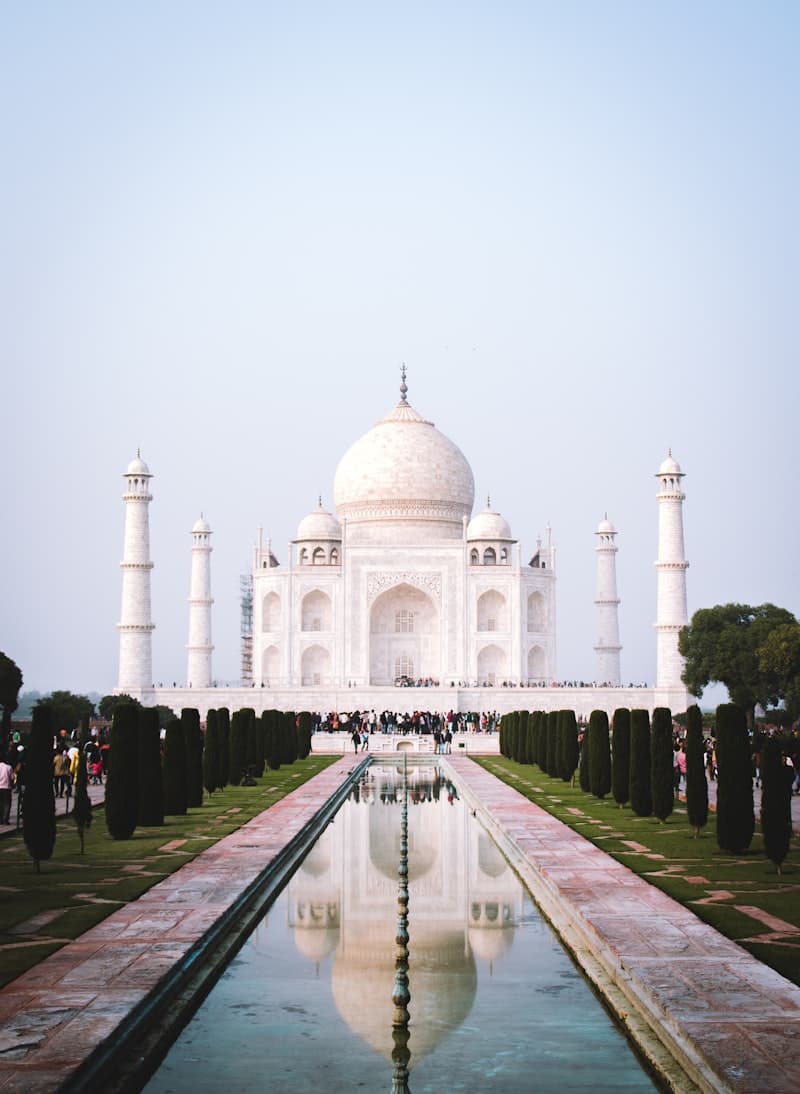
Nepal's Hidden Coffee Belt: From Ilam to Annapurna
Discover the terroir, the farmers, and the craft behind Nepalese specialty coffee.
Building a Sustainable Coffee Future
How direct trade, organic farming, and community investment create a coffee supply chain that works for everyone.